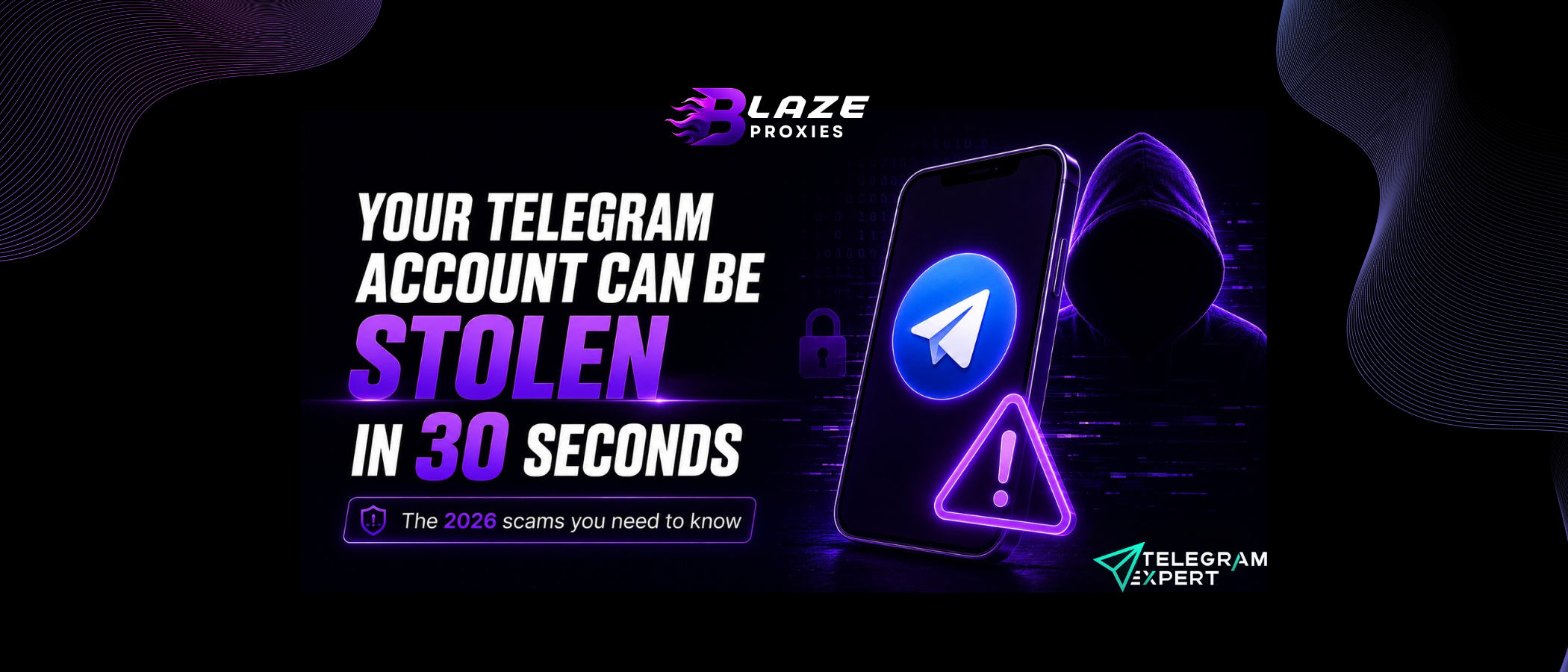
In the first quarter of 2026, the number of fraudulent domains targeting Telegram account takeovers fell by more than half — from 7,500 to 3,500. At first glance, that sounds like a reason for optimism. But BI.ZONE and F6 experts are seeing a worrying trend: scammers are not disappearing — they are changing tactics. The share of attacks on accounts using complex social-engineering scenarios rose from 10% to 16% in just a few months. In Belarus, from June 1 to June 10, 2026 alone, 16 criminal cases were opened over unauthorized access to Telegram accounts; at the beginning of the year, such cases were isolated.
Accounts are still being stolen. It is just being done more cleverly now.
Why Scammers Do Not Hack Telegram, but Simply Ask for the Code
The scheme used by 90% of attackers is almost laughably simple. A scammer enters your phone number on the login page. Telegram sends you a code. Then comes social engineering: a "friend" writes to you (their account has already been stolen), asking you to vote, confirm your age, or verify your account. You give them the code. The scammer logs into the account that same second while you are still sitting in the app. You see the message: Logged out.
Telegram officially states that its employees never ask for confirmation codes. But people keep giving them away. Scammers have become more sophisticated:
- leave comments in popular channels with messages about paid subscription giveaways;
- create fake Telegram "advent calendars";
- send offers about prizes and promotions;
- launch bots that ask for a confirmation code — in reality, it is the code for full access to the account.
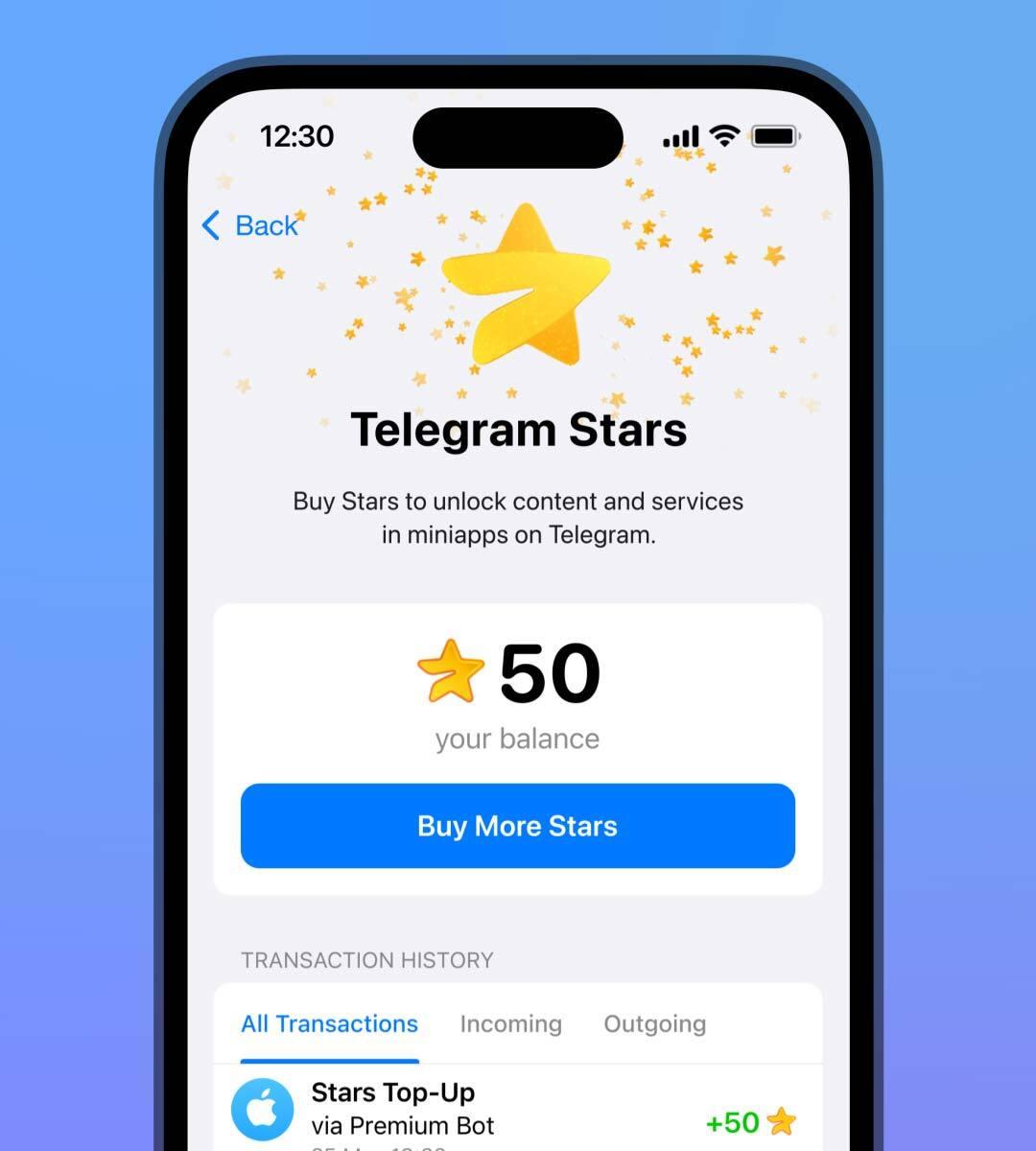
From January to November 2025, attackers created more than 62,000 fraudulent resources aimed at stealing Telegram accounts. The peak came in July, when more than 11,000 domains were detected. The growth is linked to the popularity of Telegram Stars, the messenger's internal currency, and the Toncoin cryptocurrency. The more money appears inside the messenger, the more actively scammers hunt for accounts.
SIM Swap: When Your Number Stops Being Yours
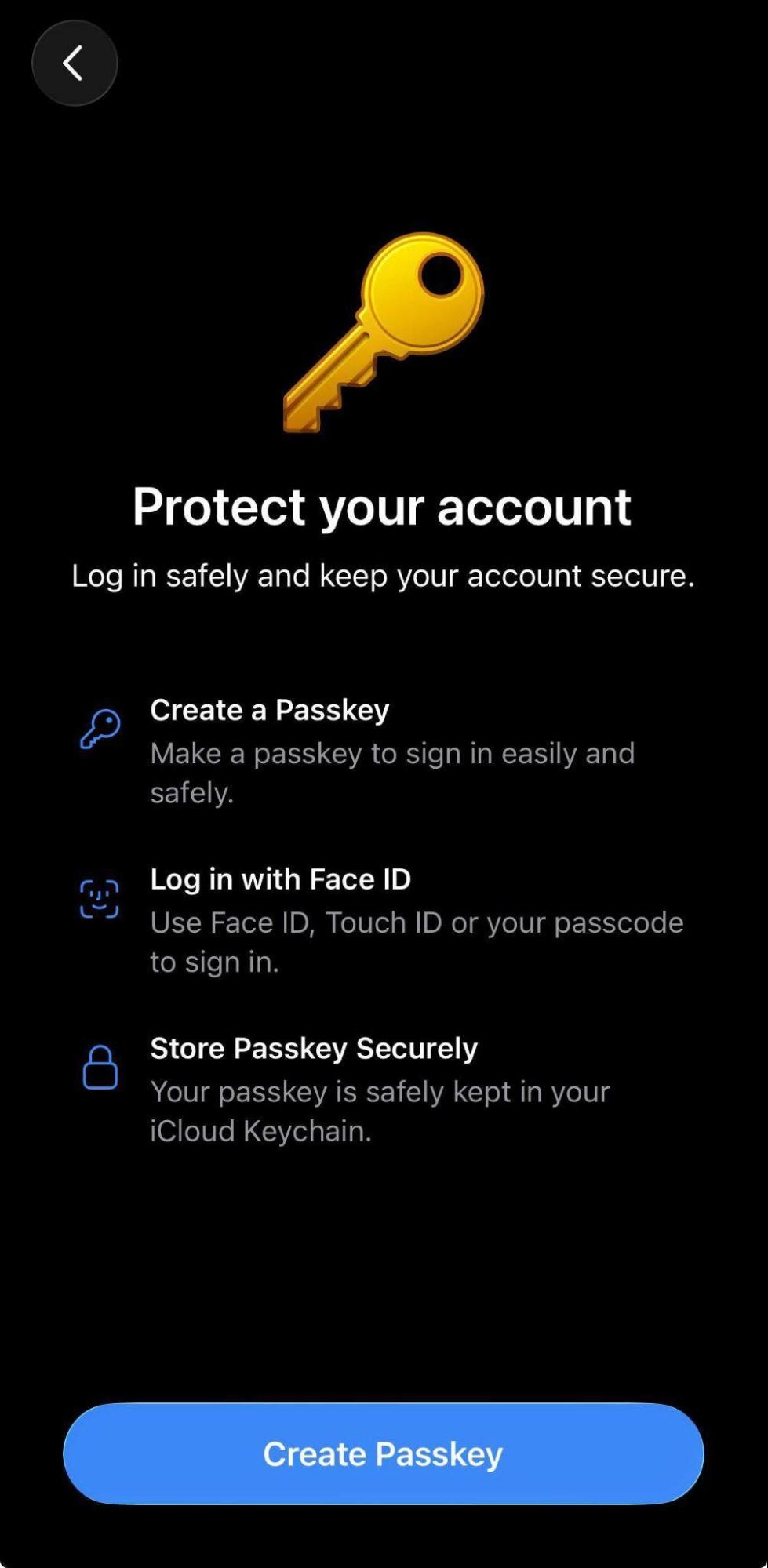
There is a method that does not require your involvement at all. SIM swap means a scammer convinces a mobile operator to reissue your SIM card to them. After that, all SMS messages, including Telegram codes, go to the scammer. Without a two-step verification password, the account becomes theirs.
This scheme is especially common with cryptocurrency holders. Scammers know who has money in their accounts and deliberately target those people. Operators do not always verify identity thoroughly when reissuing a SIM card. If a scammer has your passport data — and they often do, because it was leaked into public databases long ago — your chances of protecting yourself are limited.
Two-Factor Authentication: Why It Is Not a Cure-All
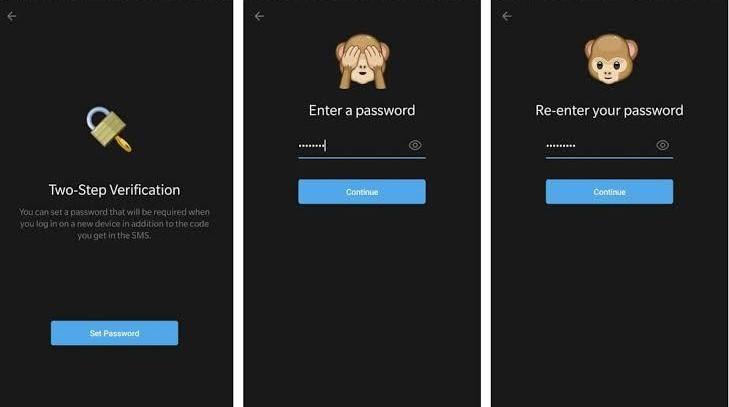
"I had 2FA enabled, but my account was still stolen" — there are hundreds of posts like this on forums. The reason is almost always the same: the password was entered on a phishing website. Or it was saved in the browser. Or it was the same everywhere.
Two-factor authentication is a powerful tool, but only if you use it correctly:
- if your cloud password is a birth date or qwerty123, it will not save you;
- if you enter it on shady websites, it will not save you;
- if you store it in notes on the same phone, it will not save you.
Moreover, scammers have learned to bypass 2FA by stealing active sessions. Malware steals Telegram session data, browser passwords, and files from the desktop. Once an attacker obtains a session file, they can enter your account without a password and without a confirmation code. 2FA does not protect against session theft.
Active Sessions: The Setting You Never Check
The "Devices" section in Telegram settings is a black hole for most users. Almost nobody opens it. And that is a mistake.
If a scammer gains access to your account through phishing or stealer malware, they remain inside it, read conversations, watch, and wait for the right moment. You may not even know. Forums have stories of people staying logged in on someone else's device for months simply because they never checked the list of active sessions.
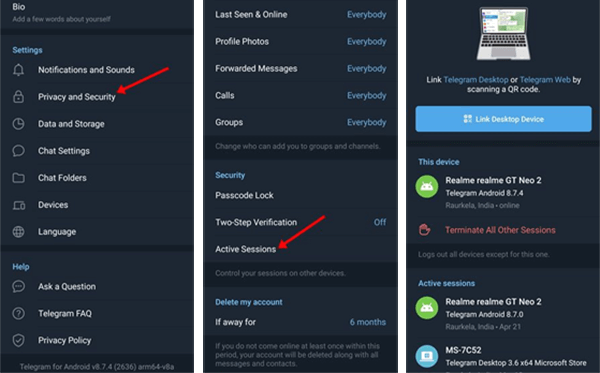
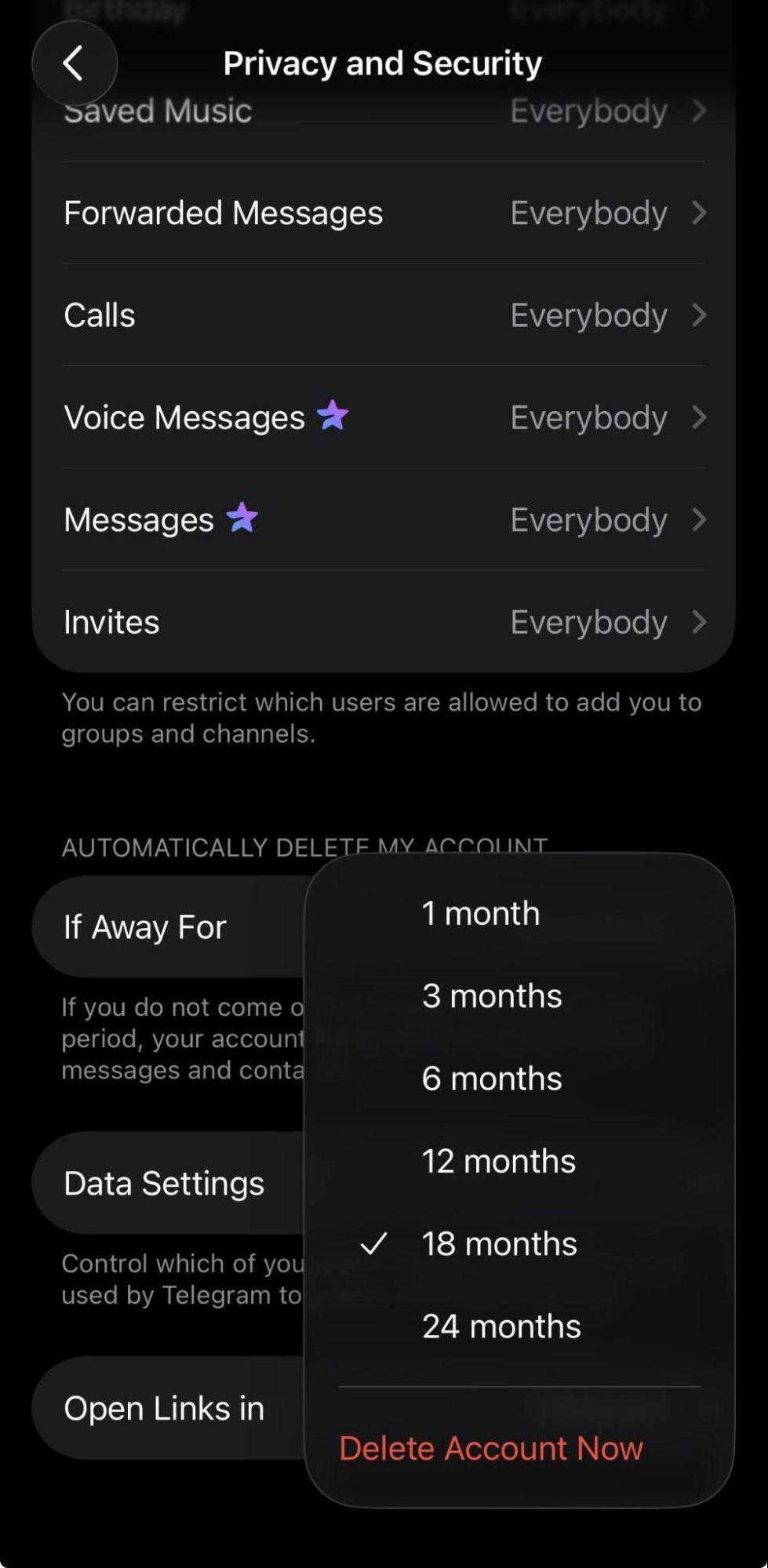
Checking is simple: Telegram → Settings → Privacy and Security → Active Sessions. If you see an unfamiliar device, terminate the session. Do it right now.
Quick Check
Open Telegram → Settings → Privacy and Security → Active Sessions. Review every device. If anything looks unfamiliar, tap it and select "Terminate."
A Purchased Number Is a Purchased Problem
Here is another scheme that people rarely talk about. Attackers buy up phone numbers, register accounts with them, issue API keys, and then return the numbers to the operator. When you buy such a number and register Telegram, scammers can access your account through an active session.
You think you bought a clean number. In reality, you bought a problem. The former owner of the number — or whoever controls it — can regain access at any moment. There is only one solution: if you bought a number for Telegram, immediately make sure no account already exists for it. If one does exist, there are two options: try to change all data and reset other sessions, or delete the account completely and create a new one from scratch.
Work Accounts: The Risks Nobody Talks About
When an account is used for work, the risks multiply: several people use it, codes are forwarded to a shared chat, the SIM card is with one employee, the password is known by another, and the device is with a third.
There is a matching scheme for this situation as well: scammers disguise phishing as a "work chat migration" to another platform. The user receives a message supposedly from a colleague or management, urgently asking them to follow a link and confirm the account so they do not lose access to the work chat. The person enters the code, and the account goes to the scammers.
The problem becomes organizational, not technical:
- who has access to the account?
- where are sessions stored?
- who controls usage?
- how is access transferred when employees change?
If the answers to these questions are unclear, the account is at risk.
Short Checklist: What to Do to Avoid Losing Your Account
- Never enter a confirmation code on websites or in bots sent to you. Use only the official Telegram app.
- Enable two-factor authentication with a unique, strong password that is not used anywhere else.
- Regularly check active sessions in settings and terminate unfamiliar ones.
- If you bought a number for Telegram, immediately change the linked number in settings.
- For work accounts, centralize access management: record who logs in and from where, and control how sessions are transferred.
When Telegram Is Business Infrastructure: How to Control Hundreds of Accounts Without Chaos
Everything above is about protecting one account. But what if you have not one account, but ten, fifty, or a hundred? If you work with traffic, run a network of channels, do affiliate marketing, or handle SMM, you face problems that an ordinary user never even thinks about.
Telegram constantly changes its rules, limits, and approaches to regulating activity. Sometimes sending just a couple of messages to users outside your contact list is enough for an account to receive a limit or temporary block. In solo work, this is still tolerable, but at scale these nuances start to directly affect speed, efficiency, and process stability. Registering accounts in different regions is a separate headache: in some places, a call is enough; in others, reCAPTCHA or additional checks appear.
At this point, it becomes clear that Telegram is no longer just a messenger, but a complex ecosystem with its own rules, risks, and technical limitations. Systematic work with it requires not a set of scattered tools, but a single solution.
Telegram Soft Expert: Centralized Control Instead of Manual Routine
Telegram Expert is professional software that covers the full cycle of work with Telegram: from account registration and warm-up to messaging campaigns, analytics, and large-scale actions. The program is built on a modular architecture and includes more than 80 modules. There is core functionality — an account manager, registrar, inviter, parser, and message sender — enough for most users. There are also additional modules — converter, booster, group and channel cloner, reporter — that expand the software for specific tasks.

What Telegram Soft Expert Gives Teams Working at Scale
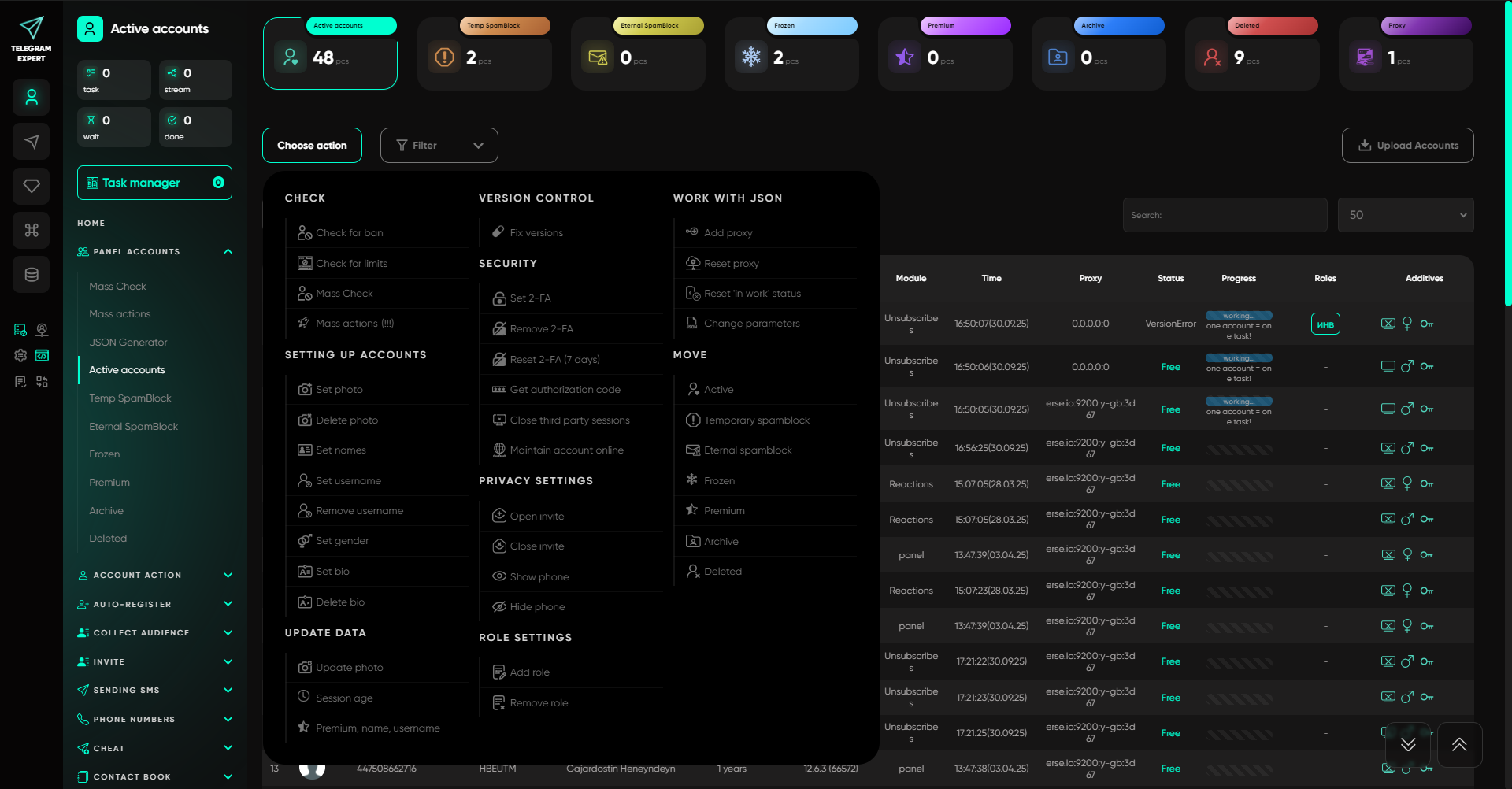
The built-in account management module allows you to distribute sessions into groups, mass-check restrictions, change profile parameters, manage privacy, proxies, and security settings. The account panel is the control center for all sessions:
- adding accounts and distributing them into folders (active, temporary spam block, permanent spam block, frozen, Premium, archive, deleted);
- mass-checking accounts for bans and restrictions with automatic distribution into folders;
- bulk actions — batch profile operations, including privacy management, session management, online status visibility, and proxy settings.
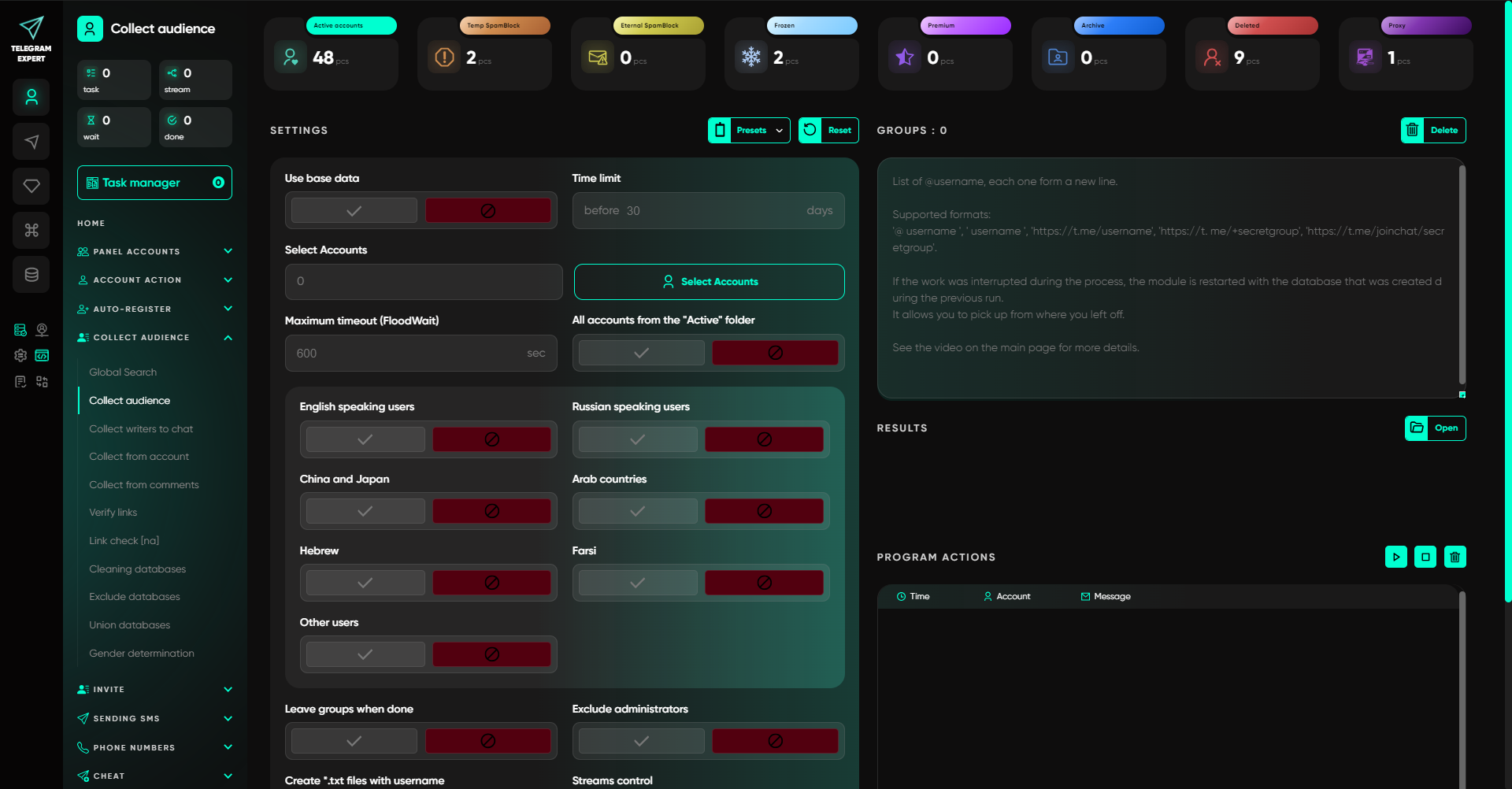
Audience collection is implemented through parsing chat members, comments, active users, and global Telegram search. Databases can be cleaned, merged, deduplicated, and segmented by language. Several invitation methods are available: by username, by ID, and through the admin panel using bots. This approach reduces the load on accounts and helps lower the risk of restrictions from Telegram.
The messaging module supports sending messages by username, ID, phone number, and open dialogs. The built-in randomizer changes the text structure and reduces message templating. When the GPT module is connected, Telegram Expert generates unique message variants based on a specified prompt.
Special attention is paid to proxy handling. The software supports IPv4, checks response speed, analyzes IP overlaps, and allows flexible proxy distribution between accounts. Different connection scenarios are available: strict binding, automatic geo-based selection, and backup schemes.
Additional features include:
- boosting views and reactions;
- working with Stories (publishing, comments, export, deletion);
- exporting data from accounts;
- converting Session and TData;
- warming up accounts through automated conversations;
- cloning chats and channels;
- analytics for messaging campaigns and invites with report generation.
Who This Tool Is For
Telegram Expert is for those who build processes, work with traffic, and value stability at high volumes. For SMM specialists, affiliate marketers, marketers, community owners, and teams for whom Telegram is a full-fledged work channel. When there are not five or ten accounts, but dozens or hundreds, manual work turns into chaos:
- registration;
- sessions;
- proxies;
- messaging campaigns;
- restrictions;
- statuses;
- warm-up;
- constant checks.
Telegram Soft Expert brings all of this together into a single ecosystem where you manage projects at a professional level. The software saves time, simplifies scaling, and gives full control over processes. You no longer need to use dozens of scattered tools — you get one working environment for every Telegram task: from registration and account setup to advertising campaigns, mass messaging, and restriction management.
When Telegram stops being just a messenger and becomes a manageable business tool, Telegram Expert provides what most solutions on the market lack: control, scale, and scenario flexibility.